
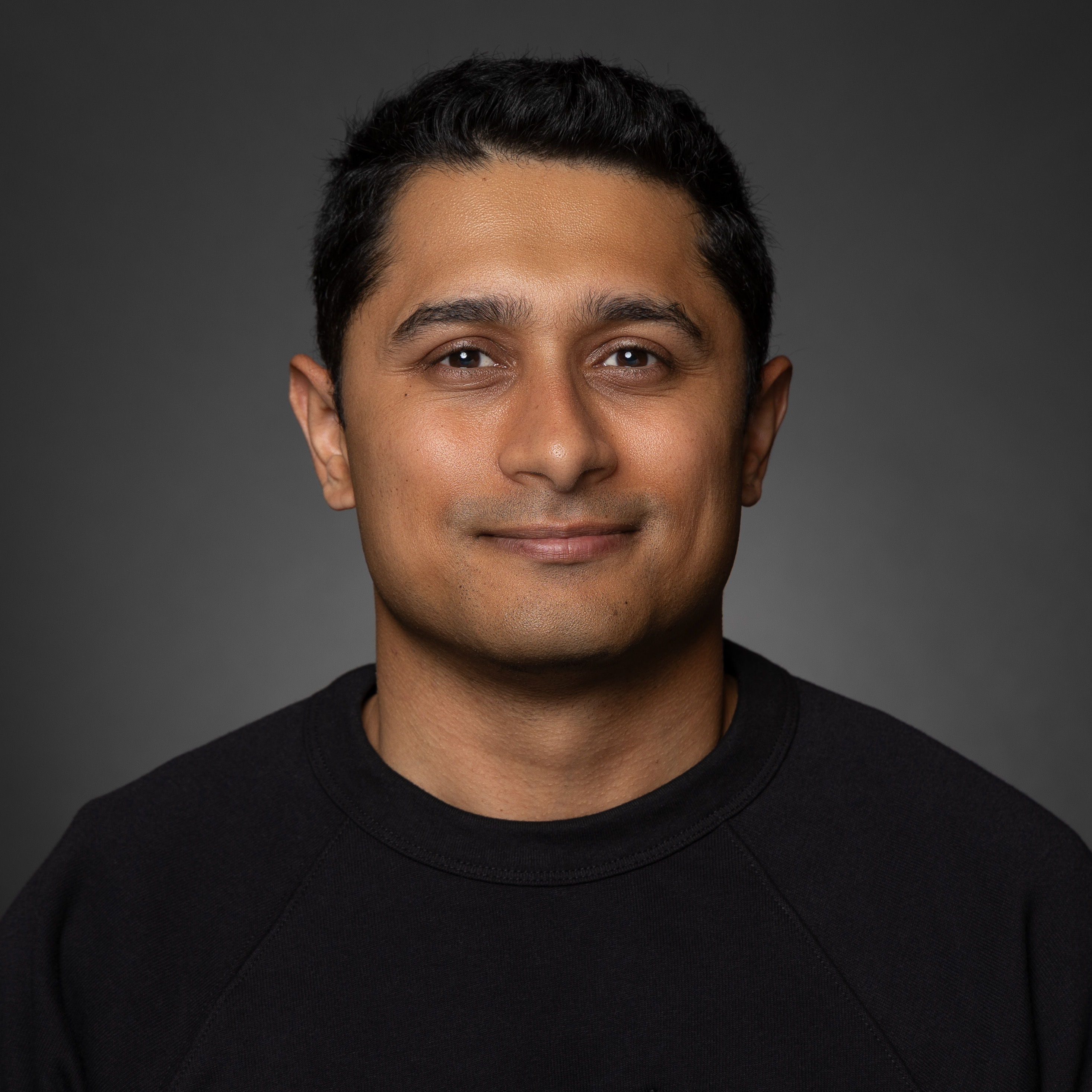
Understanding the Why Behind Movement
For some clinicians, physical therapy starts in the classroom.
For Dr. Ahaan Bharadwaj, it started on the field.
As a junior golfer and competitive soccer player, Ahaan spent years pushing his body to perform. Like many athletes, he also experienced the frustration of injuries that interrupted training and competition. Those setbacks sparked a question that continues to guide his work today: Why do injuries happen in the first place?
Rather than focusing solely on recovery, he became interested in understanding the factors that influence movement, performance, and long-term durability. That curiosity eventually led him to physical therapy and continues to shape the way he approaches patient care.
Looking Beyond Where It Hurts
Ahaan believes the best outcomes often come from understanding the bigger picture.
While pain may be the reason someone walks through the door, the source of that pain isn't always as straightforward. That's why his process begins with a comprehensive assessment that looks at movement patterns, posture, breathing mechanics, strength, mobility, and overall movement efficiency.
The goal isn't simply to address symptoms. It's to better understand how the body is moving and identify opportunities to improve function, resilience, and performance over time.
This approach allows clients to gain a clearer understanding of their bodies and the factors that may be contributing to limitations, discomfort, or recurring issues.
Building for the Long Run
At its core, Ahaan's philosophy is proactive rather than reactive.
Whether someone is recovering from an injury, training for a specific goal, or simply looking to move better, his focus is on creating a foundation that supports long-term health and performance.
That often means blending physical therapy, strength training, mobility work, and education into a plan tailored to the individual. Just as importantly, it means helping clients develop the knowledge and confidence to maintain progress outside of the clinic.
Because movement isn't just about getting back to where you were. It's about building the capacity to keep doing what you love for years to come.